THRIFTING IDEAS
Creative Thrifting Ideas for Fashion, Photography and Film
Second-hand clothing is not only something to wear. Photographers build portfolios with it, student filmmakers dress whole casts from it, creators film reels around it, and resellers build businesses on it.
These guides are practical: how to plan a shoot, a wardrobe or a video around clothing you already have or can source second-hand, and how to compare the real costs before you buy.
FIND IDEAS BY WHAT YOU ARE MAKING
Start with your project.
Each guide is written for a different kind of project, so start with the one closest to yours.
Photography
15 creative thrift clothing photography ideas
Portraits, flat lays, lookbooks and smartphone shoots that make a small second-hand wardrobe look like a large portfolio.
Short films
Planning and sourcing costumes for a low-budget short film
Turn a script into a wardrobe brief, map looks to scenes, and keep continuity under control on a small crew.
Reels and short video
20 thrift fashion reel ideas
Hooks, shot lists and editing tips for short fashion videos built around second-hand clothing.
Costume budgets
Buying, renting or borrowing costumes: how to compare costs
A transparent formula for net cost and cost per use, with a fictional worked example you can adapt.
Fashion and styling
Recreate fashion looks with second-hand clothing
Ten styling directions, from retro sportswear to capsule wardrobes, with what to look for and how to adapt them to your budget and climate.
BEFORE YOU SOURCE ANYTHING
Three questions that save money.
Most wasted spending on clothing for creative projects comes from buying before the plan is clear.
- What exactly do you need? Write down the looks, sizes and quantities first. A shot list, script or content calendar makes this concrete.
- How often will you use it? A piece used once may be cheaper to borrow or rent; a piece reused across many shoots or productions may be worth buying.
- What happens afterwards? Decide whether garments will be stored, resold, donated or returned before you buy them, and keep them in good condition if you plan to resell.
Our guide to comparing buying, renting and borrowing turns these questions into a simple cost calculation.
CARE AND CONDITION
Working with second-hand clothing.
Second-hand garments vary in condition, sizing and care needs. A little preparation goes a long way.
- Inspect seams, zips, buttons, linings and underarms before a shoot or fitting.
- Wash or clean garments according to their care labels before wearing them on camera or on stage.
- Check sizes on the garment itself and measure where labels are missing; vintage sizing often differs from current sizing.
- Keep a simple log of what you have, its size and its condition, so you can reuse pieces across projects.
FROM PROJECTS TO WHOLESALE
When does wholesale make sense?
For a single shoot or a small production, sourcing individual pieces is usually the better fit: you choose exactly what you need. Wholesale bales suit businesses and recurring needs, such as thrift stores, resellers, rental wardrobes or studios that use a large volume of clothing over time.
Bale contents vary, so a bale is not the right way to find one specific garment. If you are considering wholesale for a resale business, start with our guide for thrift stores and resellers and the profit calculator.
Explore our wholesale bale options
Send Wholesale Enquiry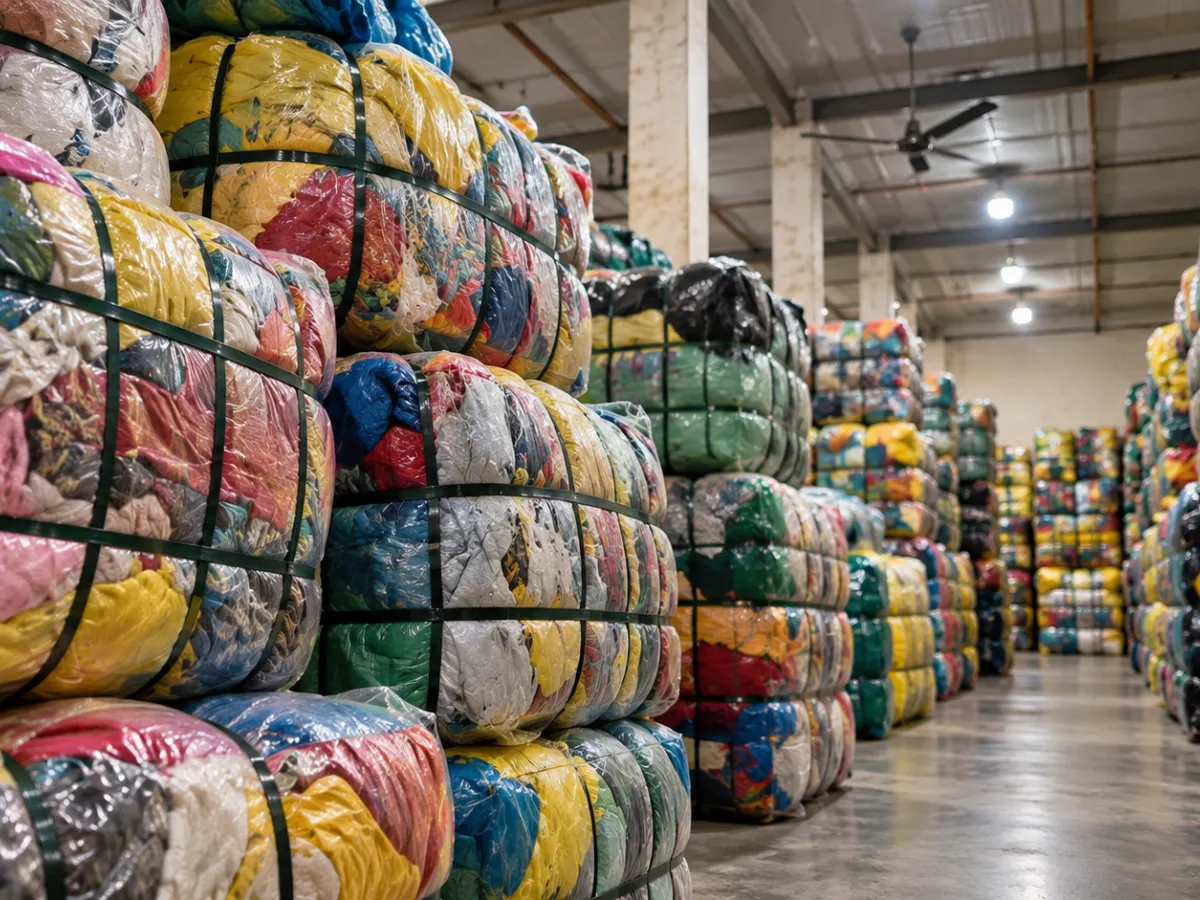
These guides are general creative and planning information. Examples are illustrative, and outcomes depend on your own project, sourcing and costs.